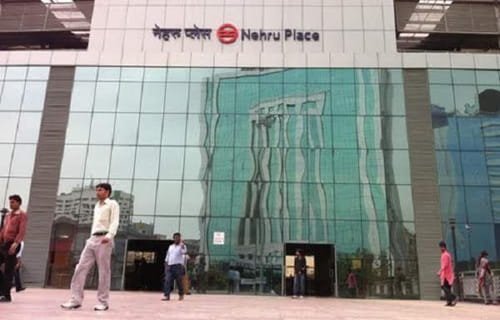
Nehru Place Metro Station is one of the busiest in South Delhi. It connects a major commercial hub through the Violet Line of the Delhi Metro. Because of its location near offices, markets, and business centers, the station remains crowded throughout the day.
Moreover, the station plays a key role in daily commuting for thousands of professionals. At the same time, it offers easy access to one of Asia’s largest IT markets. Therefore, it becomes an essential part of Delhi’s urban transport system.
Quick Overview
| Feature | Details |
| Station Name | Nehru Place Metro Station |
| Location | South Delhi |
| Opened | 2010 |
| Metro Line | Violet Line |
| Station Type | Elevated |
| Platforms | 2 |
| Entry/Exit Gates | Multiple gates |
| Owned By | Delhi Metro Rail Corporation (DMRC) |
| Nearby Landmark | Nehru Place IT Market |
| First Train | Around 6:00 AM |
| Last Train | Around 11:00 PM |
History and Development
Delhi Metro introduced the Nehru Place Metro Station in 2010 during the expansion of the Violet Line. At that time, the goal was to improve connectivity in South Delhi. As a result, the station quickly gained importance due to its location.
Over the years, authorities improved facilities and services. In addition, better connectivity increased passenger flow. Consequently, the station now serves both office workers and visitors efficiently.
Location and Importance
Nehru Place Metro Station lies in one of Delhi’s busiest commercial areas. It connects nearby locations such as Kalkaji, Govind Puri, and Greater Kailash. Because of this location, it acts as a central access point for many commuters.
Furthermore, the station provides direct access to the Nehru Place Market. For instance, professionals and shop owners use it daily. Therefore, the station supports both business activities and regular commuting.
Metro Line and Connectivity
Violet Line (Kashmere Gate – Raja Nahar Singh/Ballabhgarh)
The station operates on the Violet Line, which connects Central Delhi with South Delhi and Faridabad. Therefore, passengers can travel long distances without major difficulty.
From Nehru Place, commuters can reach:
- Kalkaji Mandir (interchange with Magenta Line)
- Lajpat Nagar
- Central Secretariat
- Kashmere Gate
- Faridabad
In addition, this line improves connectivity across important areas. As a result, daily travel becomes faster and more efficient.
Station Layout and Structure
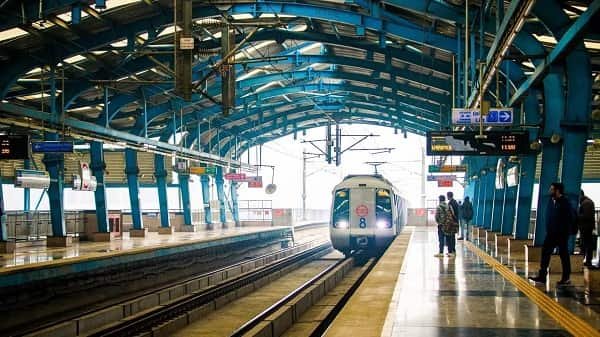
Nehru Place Metro Station features an elevated design. Since it is located above ground level, access becomes easier from nearby roads.
The station includes three main levels:
- Ground Level: Entry, exit, and transport access
- Concourse Level: Ticket counters and security checks
- Platform Level: Boarding areas
Moreover, escalators and elevators support smooth movement. At the same time, clear signage helps commuters find their way quickly. Therefore, the station remains easy to navigate.
Facilities Available
The station offers several facilities to improve passenger comfort. First, smart card machines reduce waiting time. In addition, ticket counters remain available for token users.
Other facilities include:
- Escalators and lifts
- CCTV cameras for safety
- Clean waiting areas
- Seating arrangements
- Nearby parking facilities
- Shops and kiosks
As a result, passengers experience a convenient and safe journey.
Nearby Attractions and Places
Although the station primarily serves commuters, several important destinations are nearby. For example, Nehru Place Market attracts thousands of visitors daily. Similarly, nearby commercial offices increase footfall.
Nearby locations include:
- Nehru Place IT Market
- Kalkaji Mandir
- Govind Puri residential area
- Offices and business centers
- Restaurants and cafes
Therefore, the station supports both work-related and personal travel.
Connectivity with Other Transport
Bus Services
DTC buses operate frequently near the station. Therefore, passengers can easily travel to nearby areas.
Auto-Rickshaws and E-Rickshaws
Autos and e-rickshaws remain available outside the station. As a result, last-mile connectivity becomes convenient.
Cab Services
Ride-hailing services like Ola and Uber operate actively. Hence, passengers get flexible travel options.
Road Connectivity
Major roads connect directly to the station. Therefore, commuters can access different parts of Delhi quickly.
Why Nehru Place Metro Station is Important
Several factors highlight the importance of this station. First, it connects to a major commercial hub. Second, it lies on a key metro line.
Additionally:
- It supports business activities
- It handles high passenger traffic
- It connects important areas of Delhi
- It reduces road congestion
Therefore, it remains a vital part of Delhi’s metro network.
Tips for Commuters
- Use smart cards to avoid queues
- Travel during non-peak hours for comfort
- Follow signs for smooth navigation
- Plan extra time during busy hours
By following these tips, passengers can enjoy a better travel experience.
Conclusion
Nehru Place Metro Station plays a key role in Delhi’s transport system. It connects important commercial areas while supporting daily commuting. Moreover, its location increases its usefulness for professionals and visitors.
In conclusion, the station offers a reliable and efficient travel option. Therefore, it remains an essential part of the Delhi Metro network.
FAQs
Q1. Why is the Nehru Place Metro Station important?
It connects a major business hub with the rest of Delhi.
Q2. Which metro line serves this station?
The Violet Line serves this station.
Q3. Is the station elevated?
Yes, it is an elevated metro station.
Q4. What are the operating hours?
The station operates from around 6:00 AM to 11:00 PM.
Q5. Are parking facilities available?
Yes, parking facilities are available nearby.
Q6. What areas does it serve?
It serves Nehru Place, Kalkaji, and nearby areas.
Q7. Is it crowded?
Yes, especially during office hours.
Q8. Who uses this station the most?
Office workers, business owners, and commuters use it frequently.